







Search Results for: four-stage pouring
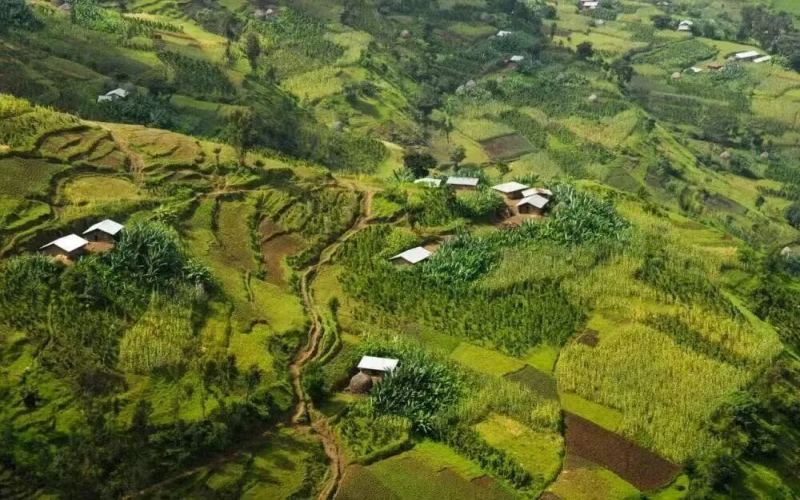
Where Does the Floral Aroma of Ethiopian Washed Yirgacheffe Come From? Single-Origin Pour-Over Parameters and a Four-Pour Practical Guide
Yirgacheffe is one of Ethiopia's most recognizable specialty coffee regions, and the signature white florals and citric acidity of the "Yirgacheffe flavor" owe much to the introduction and popularization of the washed processing method. This article covers the region's terroir and processing history, explains how the flavors are formed, and provides a complete pour-over recipe for Front Street Coffee's washed Yirgacheffe single-origin beans: 15g of grounds, a 1:16 coffee-to-water ratio, 92°C water temperature, four-stage pouring, and a total extraction time of about 2 minutes 28 seconds, ultimately presenting jasmine florals, citrus and apricot notes, and a honey green tea finish. Whether you are just getting into single-origin coffee or looking to refine your brewing details, these parameters and this rhythm are worth referencing. [more…]
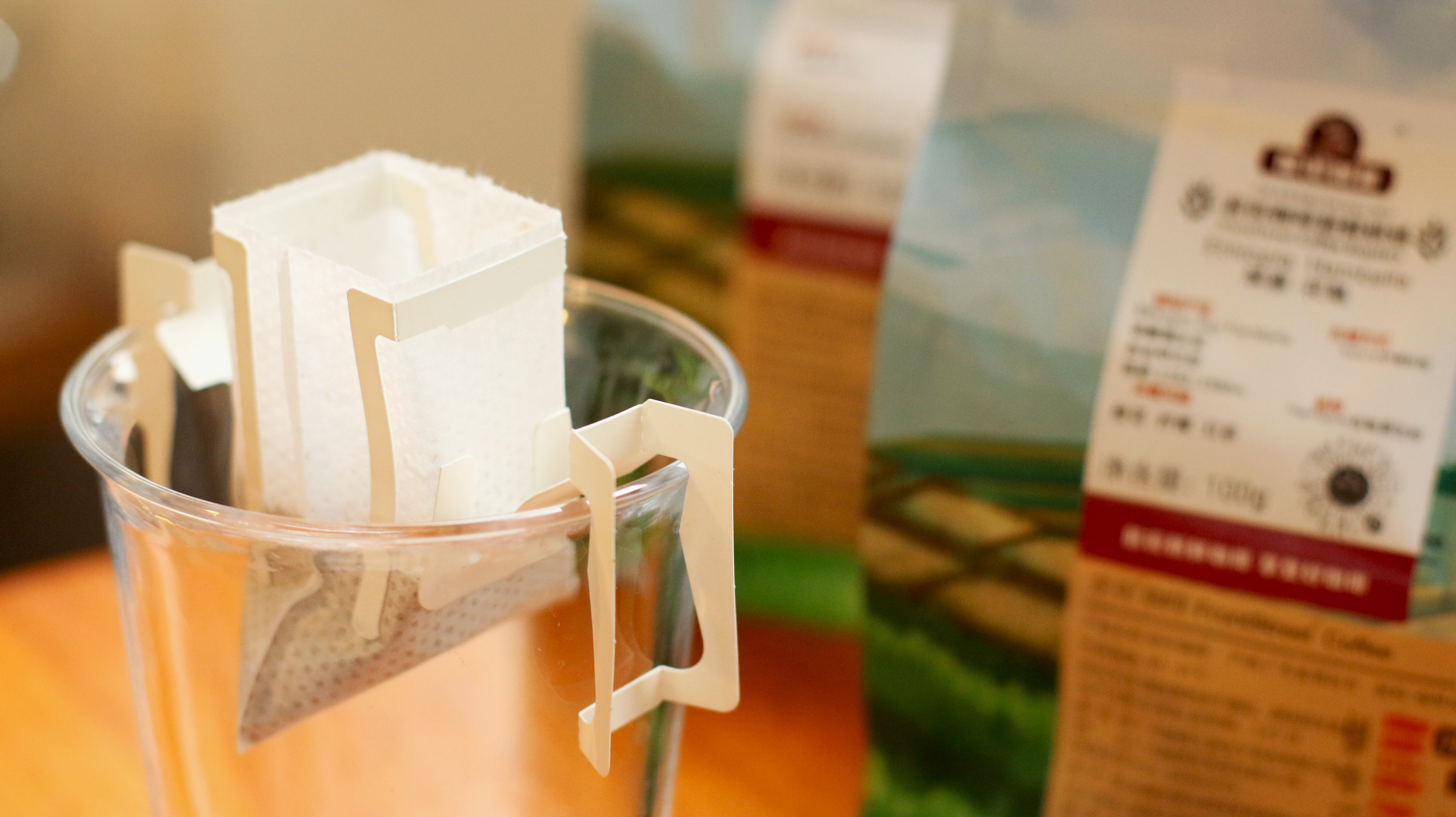
The Complete Guide to Brewing Drip Coffee Bags: The Blooming Step, Pulsed Pouring Techniques, and Front Street Product Recommendations
Drip bag coffee, with its combination of portability and flavor, has become a daily choice for many coffee lovers. But once the beans are ground, how exactly should it be brewed? Should you pour water first to bloom the grounds, or pour directly? This article will explain in detail the pros and cons of drip bag coffee, drinking recommendations, brewing parameters, and segmented pouring techniques. Using 10g Front Street Coffee drip bags as an example, it will explain the coffee-to-water ratio, water temperature control, and the four-stage pouring rhythm. It will also introduce the flavor differences among Front Street drip bags from different regions, helping readers choose the right product according to their personal taste and consistently brew a layered, portable version of pour-over coffee at home. [more…]
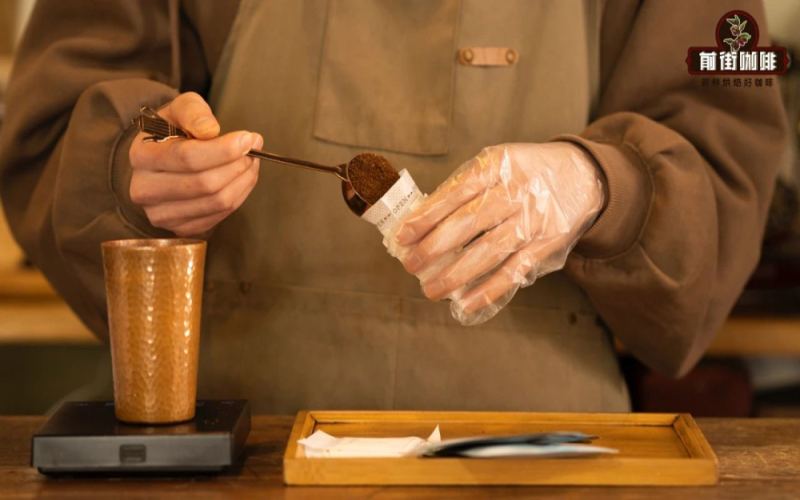
How to Brew Medium-Dark Roast Drip Coffee Bags for a More Delicious Cup? A Detailed Guide to the Flavors and Techniques of Mandheling, Brazil, and Yunnan Small-Bean Coffee
Drip bag coffee is convenient and quick, but to brew a delicious American-style black coffee, freshness, bean selection, and pouring technique are all indispensable. This article starts with the best-tasting period, helps you understand how different roast levels affect flavor, and recommends three medium-dark roast drip bags from Front Street Coffee: Indonesia Mandheling, Brazil Cerrado, and Yunnan Arabica. It then breaks down the four-stage pouring process in detail: in the first stage, pour until the filter bag is half full and let it bloom for 15 seconds; for the remaining three stages, wait until the coffee liquid has fully drained before pouring again, each time up to the 9/10 mark, with a total poured water volume of about 150ml. By following along, you can easily make a cup of rich, balanced drip bag coffee with no acidity or only slight acidity at home. [more…]
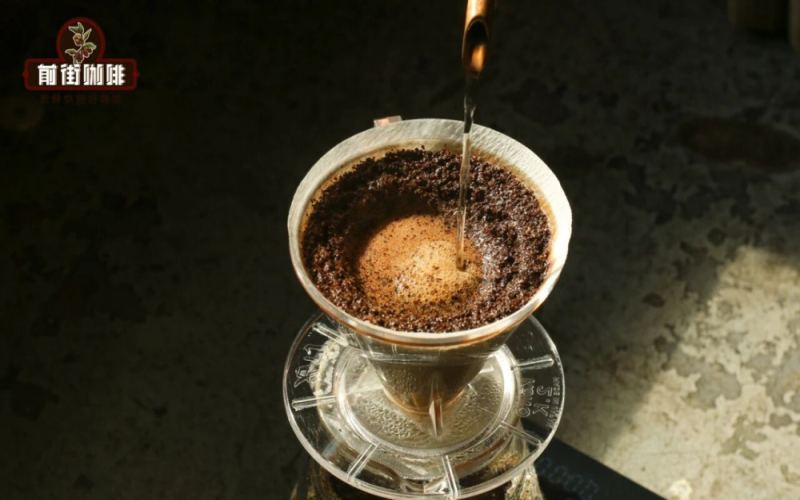
Iced Pour-Over Coffee Sweetness Extraction Techniques: Grind and Pour Adjustments Using Strawberry Candy Coffee Beans as an Example
Ice pour-over coffee often faces issues of under-extraction and weak sweetness due to a reduced coffee-to-water ratio and dilution from added ice. Starting from the principles of extraction, this article analyzes how to capture more sweet compounds in ice pour-over by adjusting grind size, the number of pouring stages, and the coffee-to-water ratio. Using Front Street Coffee's Costa Rica Strawberry Candy coffee beans as a demonstration, Front Street tested techniques such as finer grinding, increasing the number of pouring stages, and cooling over ice, ultimately achieving an iced coffee with a full-bodied flavor and clear dried-fruit sweetness. The article also explores the impact of flow rate on extraction and emphasizes that brewing recipes are not universal formulas, encouraging coffee enthusiasts to try diverse approaches. [more…]
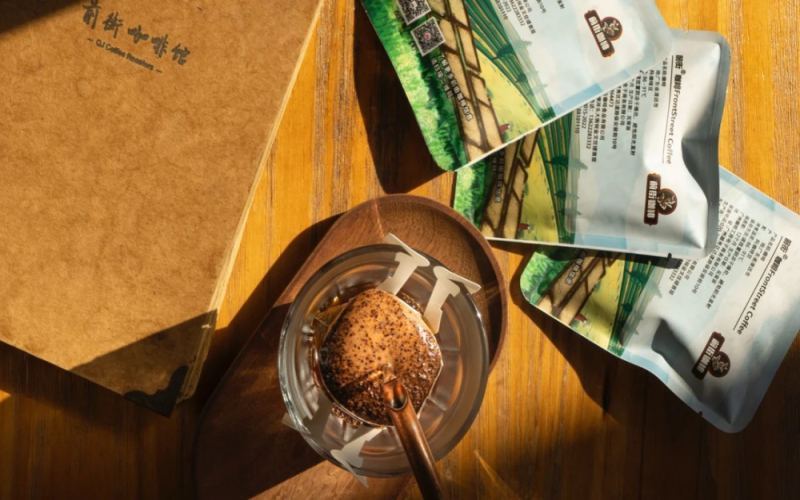
Can drip coffee bags be brewed twice? How to fix weak coffee—a detailed guide to proper brewing steps and practical tips
Drip bag coffee is deeply loved for its portability, but many people have misconceptions when brewing it: Can it be steeped directly like a tea bag? Can water be added a second time? From the perspective of Front Street Coffee, this article analyzes the correct logic for using drip bags—it is essentially close to pour-over and requires filtration extraction rather than dissolution. The article covers the importance of fresh roasting, recommendations for the optimal flavor period, water temperature control at 88-91°C, and an illustrated four-stage pouring guide, helping you consistently brew a cup of rich, aromatic black coffee at home. At the same time, for different flavor preferences, Front Street recommends two drip bag coffees, Sun-Dried Huakui and Golden Mandheling, balancing light fruity notes with rich, full-bodied depth. [more…]
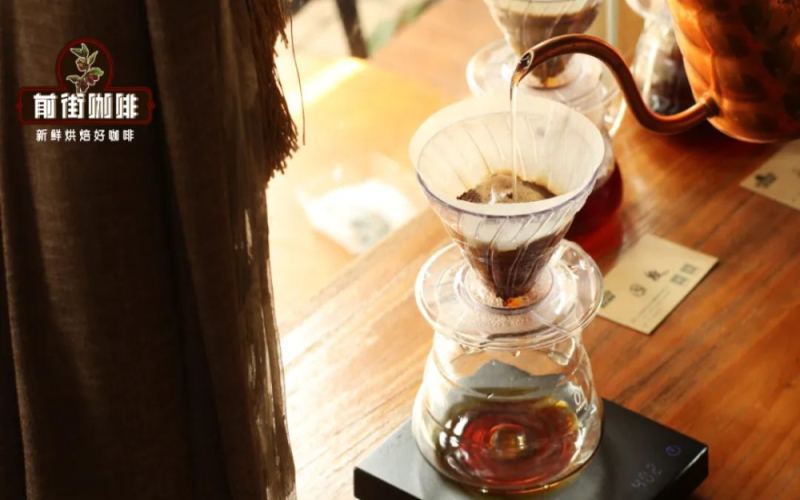
How Many Pours Can You Really Split Into for Pour-Over Coffee? A Full Breakdown of the Three-Pour Method's Key Steps and Timing Control
The pouring method in pour-over coffee directly influences the final flavor profile, and staged pouring is a core technique that the vast majority of coffee enthusiasts will encounter. After blooming, should you pour all the water in one go or pause midway? What is the most reasonable number of stages? And how do different numbers of stages change the mouthfeel, aroma, and layers of the coffee? Drawing on Front Street's actual brewing experience, this article systematically sorts out the definition and working mechanism of staged pouring, and through three sets of comparative experiments reveals the relationship between the number of stages and extraction efficiency and flavor performance, while also offering the most beginner-friendly operational advice to help you more consistently bring out the best in a bean in your daily brewing. [more…]
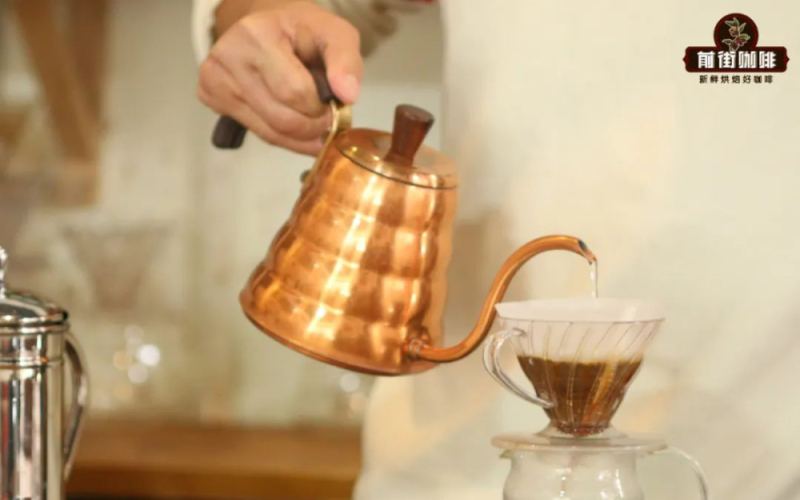
How to Master the Timing of Pulsed Pouring in Pour-Over Coffee? A Detailed Guide to the Water Volume and Time Nodes of the Three-Pour Method
Segmented pouring is a common yet difficult-to-master method in pour-over coffee, with the challenge lying in judging when to stop pouring and when to pour again. This article uses Front Street Coffee's three-stage brewing as an example to explain in detail the techniques for judging pouring checkpoints. The article points out that you should not wait for the water to finish flowing before pouring again; subsequent pours should bring the coffee bed height to exactly the same level as the previous stage to ensure even extraction. Using 15g of coffee grounds as an example, the first stage is blooming, pouring 30ml of water and waiting 30 seconds; the second stage pours water to 1/2 of the short rib, with a reference water amount of 120ml, taking about 55 seconds to 1 minute; the third stage involves observing the water level dropping, and when it falls to 1/2 between the coffee bed and the filter wall, pour 90ml, with a reference time of 1 minute 10 seconds to 1 minute 15 seconds; pouring ends at about 1 minute 30 seconds to 1 minute 35 seconds, and the coffee liquid finishes flowing at about 2 minutes to 2 minutes 10 seconds. The logic for four-stage pouring is the same. [more…]
How Should Front Street Blue Mountain No. 1 Coffee Be Brewed to Taste Best? A Full Breakdown of Pour-Over Parameters and Drip Coffee Bag Instructions
Front Street Blue Mountain No. 1 coffee beans come from the core Blue Mountain growing region of Jamaica and are renowned for their balanced, full-bodied taste and elegant aroma, earning them the title of the emperor of coffee. Many friends, however, are unsure how to brew them to bring out their best flavor after buying them, or how to handle them once they have been made into drip coffee bags. This article will explain the key points of pour-over brewing for Front Street Blue Mountain coffee one by one, from equipment selection, coffee dose, grind size, water temperature, and coffee-to-water ratio to the three-stage pouring technique, while also breaking down in detail the four-stage pouring steps for Front Street Blue Mountain drip coffee bags, helping you easily brew a delicious cup of Blue Mountain coffee at home or in the office. [more…]

Analysis of the Principles of Segmented Extraction in Pour-Over Coffee: Flavor Release Patterns at Each Stage and Practical Brewing Applications
There are many different pour-over brewing techniques, and staged pouring is widely recognized as an effective way to enhance a coffee's complexity. But have you ever wondered exactly which flavor compounds each pour extracts from the coffee? Front Street Coffee conducted a comparative experiment, selecting a light-roasted fruit-acid Kenya Kirinyaga AA and a medium-roasted nutty Yunnan natural Typica, using a four-pour method to collect the coffee liquid from each stage separately. After tasting each one, they revealed which flavor components are respectively responsible during blooming, the middle stage, and the final stage. Building on this, this article further summarizes how to apply these extraction patterns to actual brewing—how to adjust parameters to highlight sweetness, and how to distribute water to achieve a juicy mouthfeel—offering concrete, actionable ideas for each. [more…]
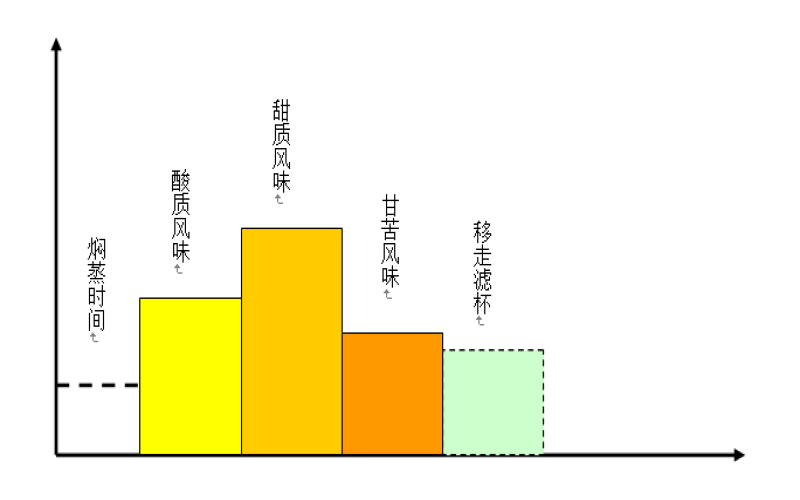
Segmented Extraction and Sweetness Release in Pour-Over Coffee: Flavor Changes Across the Beginning, Middle, and End Stages, and a Four-Pour Comparative Practice
In pour-over coffee, staged pouring is a common technique for regulating flavor. The three tastes in coffee—acidity, sweetness, and bitterness—are not released at the same rate; hot water draws them out in sequence. This article uses Front Street Coffee's medium-roast Papua Bird of Paradise coffee beans as an example. With 15g of grounds, 225ml of total water, and a water temperature of 89°C, it employs three-stage and four-stage pouring respectively to compare the flavor differences in the early, middle, and late coffee liquid, helping you find the extraction stage where sweetness is most concentrated. It also explains how the number of stages affects extraction yield, operating time, and the risk of over-extraction, and offers practical ideas for improving the efficiency of sweetness extraction. [more…]

How should you brew drip bag coffee to make it taste good? Master the water temperature and amount, and you can easily make drip-filtered black coffee.
Drip bag coffee offers both convenience and flavor, but many people easily fall into pitfalls when brewing it. This article starts with the essence of drip bag coffee, explains how it differs from instant coffee, and answers common questions: Should you pour water in a circular motion, and is blooming necessary? What is the right water temperature? How should the amount of water be controlled? The article also provides a simple, easy-to-follow four-stage pouring demonstration—all you need is a drip bag, a cup, and a thermos, and you can consistently brew a delicious cup of drip coffee. It also recommends Front Street Coffee drip bags, ideal for friends who are traveling or pursuing minimalism. [more…]
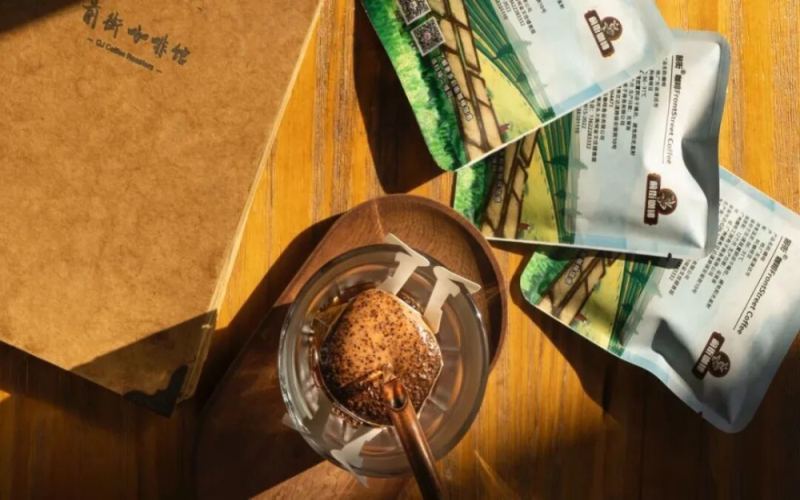
How to Fix Weak-Tasting Drip Bag Coffee? Master Three Brewing Adjustments to Easily Control the Strength of Mandheling and Yirgacheffe In-Season Drip Bags
Drip bag coffee, because it is ground in advance, often retains less than half the aroma of freshly ground coffee, and is often regarded by enthusiasts as merely a convenience. But in fact, as long as it is stored properly and drunk within the 3-week peak-flavor period, the basic flavor will not be greatly compromised. If what you brew still tastes as bitter as dishwater, or sour and bland, the problem most likely lies in the brewing method. Based on Front Street's practical experience, this article shares three tested and effective tips: choose a tall, narrow-mouthed cup and pour water in stages, add gentle stirring while pouring, and pour the coffee liquid back into the filter bag for a second extraction, helping you fully unlock the flavor potential of seasonal drip bags such as Mandheling and Yirgacheffe at home. [more…]
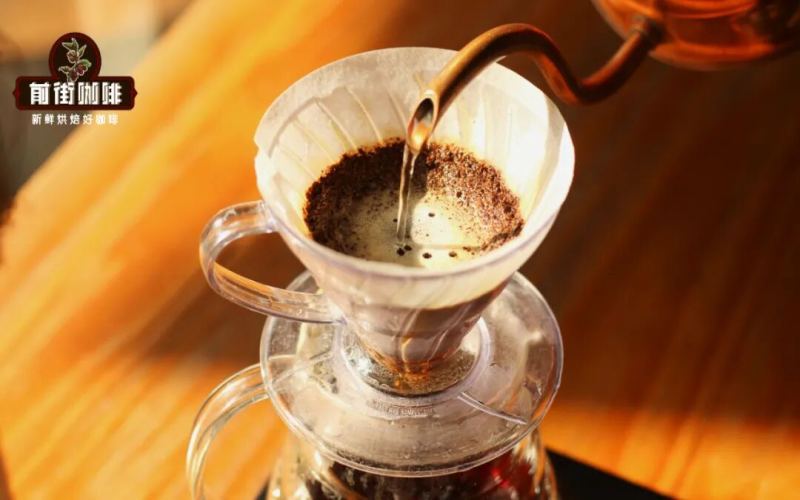
Pour-Over Coffee Brewing Methods | Does Multi-Stage Pouring Make Pour-Over Coffee Taste Better? How to Do Staged Pouring When Making Pour-Over Coffee?
In yesterday's post, Front Street mentioned that one of the advantages of pour-over coffee is its high level of controllability. During the brewing process, we can adjust the pouring method based on the actual situation, so that the coffee's flavor does not stray from being delicious. This statement is not unfounded; many techniques can help us do [more…]

What to do if drip bag coffee tastes too weak? Master water temperature, coffee-to-water ratio, and pouring technique to brew a rich, aromatic pour-over
Have you ever run into this problem: the same pack of drip bag coffee, yet when someone else brews it, the aroma fills the air, while yours comes out as weak as plain water? The issue mostly lies in the parameters and technique. Although drip bag coffee has a low barrier to entry, to brew a rich, full-bodied flavor, you must nail down the three core variables: water temperature, coffee-to-water ratio, and extraction time. This article compiles three practical tips: the first is to adjust the brewing parameters to raise the extraction yield; the second is to dig a small hole in the center of the coffee bed to solve the uneven extraction caused by the overly thick layer of coffee grounds in the drip bag; the third is even more direct—pour the brewed coffee back and steep it again to remedy under-extraction. At the end of the article, there is also a complete brewing demonstration of Front Street Coffee Ethiopia Huakui drip bag, from a 1:15 coffee-to-water ratio to a four-stage pour, guiding you step by step to brew a great cup of coffee with strawberry and citrus notes. [more…]
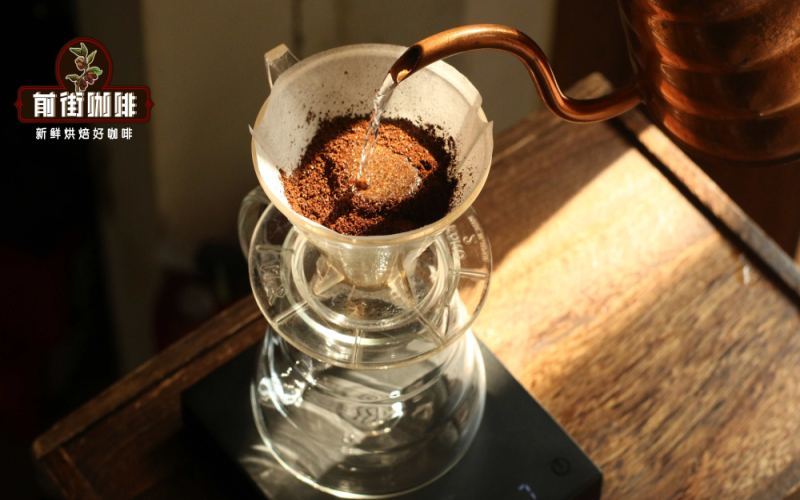
Center Pour vs. Spiral Pour in Pour-Over: Analysis of Extraction Efficiency, Flavor Differences, and a Combined Three-Pour Approach
The pouring method in pour-over coffee has a significant impact on the extraction result. Through comparative experiments, Front Street Coffee found that under low-flow conditions, center-pour single-pour extraction actually achieved a higher extraction yield than spiral pouring, due to two factors: heat retention and the contact area of the coffee bed; however, in terms of flavor performance, center pouring showed a concentrated, imbalanced character with bitterness. When switching to a three-stage pour, spiral pouring then surpassed center pouring. Based on these findings, a three-pour approach combining spiral and center pouring became a practical choice that balances even extraction with flavor cleanliness. This article presents the complete experimental data and principle analysis to help coffee enthusiasts understand the suitable scenarios for different pouring strategies. [more…]
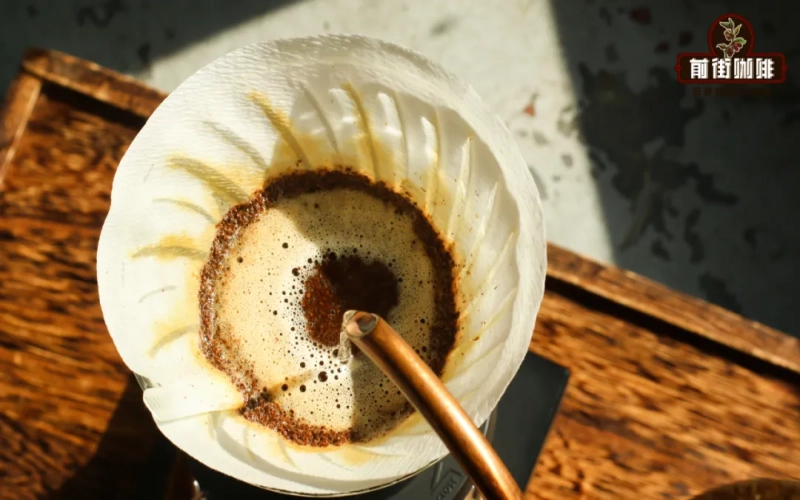
How Should You Decide the Timing for Multiple Pours in Pour-Over Coffee? An Analysis of the Practical Impact of Pour Timing on Extraction Efficiency and Flavor
Multi-pour pouring is a brewing technique commonly used by many enthusiasts in pour-over coffee, but for each pour, should you wait for the water level to drain completely before pouring again, or continue pouring while there is still liquid in the dripper? This seemingly minor choice actually affects the final extraction efficiency through two dimensions: extraction time and liquid concentration. Starting from a comparative experiment at Front Street, this article analyzes the specific effects of different pouring timings on extraction yield and flavor performance, and offers practical advice on how to flexibly choose pouring nodes in different brewing scenarios, helping you more precisely control the flavor direction of every cup of pour-over. [more…]
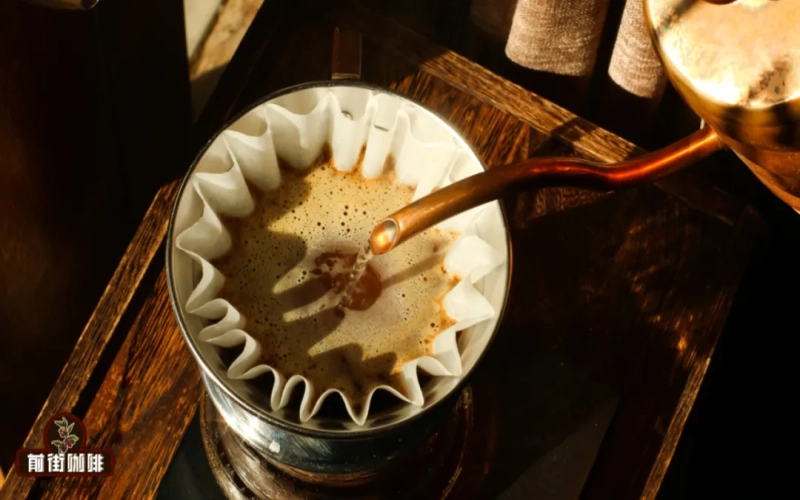
Why Does Pour-Over Coffee Favor Staged Pouring? Analyzing the Extraction Efficiency and Controllability Differences Between the One-Pour Method and the Three-Stage Method
In the world of pour-over coffee, the choice of pouring method often determines the final flavor direction. Although brewing techniques emerge endlessly, multi-pour pouring has always remained mainstream—whether in professional competitions, café offerings, or enthusiasts' daily practice, its presence can be seen everywhere. Many friends who are just getting into pour-over ask Front Street Coffee: why do we always have to divide the water into several pours? Behind this actually involves two key factors: the improvement of extraction efficiency and the controllability of the brewing process. This article will unfold around the differences between single-pour and three-stage pouring and other staged pouring methods, analyzing the advantages of multi-pour pouring from the perspectives of extraction time and concentration differences, while also answering why immersion extraction has a higher fault tolerance rate, helping everyone understand the essence of the pouring logic in pour-over coffee. [more…]
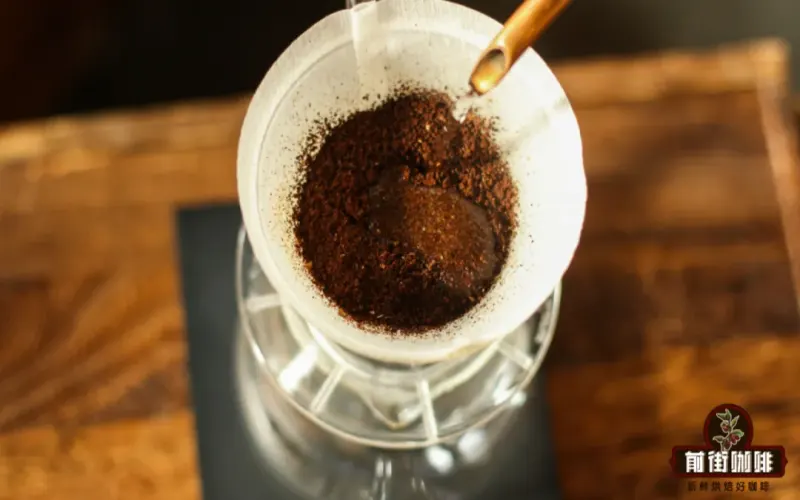
A Complete Analysis of Pour-Over Coffee Pouring Methods: The Practical Impact of Stages, Height, and Circular vs. Center Pouring on Extraction Yield
The biggest difference between pour-over coffee and other extraction methods is that the entire brewing process relies on manual pouring. Pouring water serves both to create turbulence and speed up the dissolution of flavor compounds, and to allow coffee grounds in different positions to be extracted relatively evenly. Precisely because it depends on human operation, any subtle change during the pouring stage can directly affect the final extraction yield. Front Street often says that about 30% of the substances in coffee beans are soluble, but not all of them need to be extracted. According to the Golden Cup extraction theory, 18%–22% is the extraction yield range generally accepted by most people. To stay reliably within this range, in addition to choosing parameters with a high margin for error, understanding the principles behind pouring is equally crucial. From Front Street's perspective, this article focuses on three variables—staged pouring, pouring height, and circling versus stationary pouring—and breaks down how they affect the extraction yield, helping you understand why you should pour this way and how to adjust. [more…]
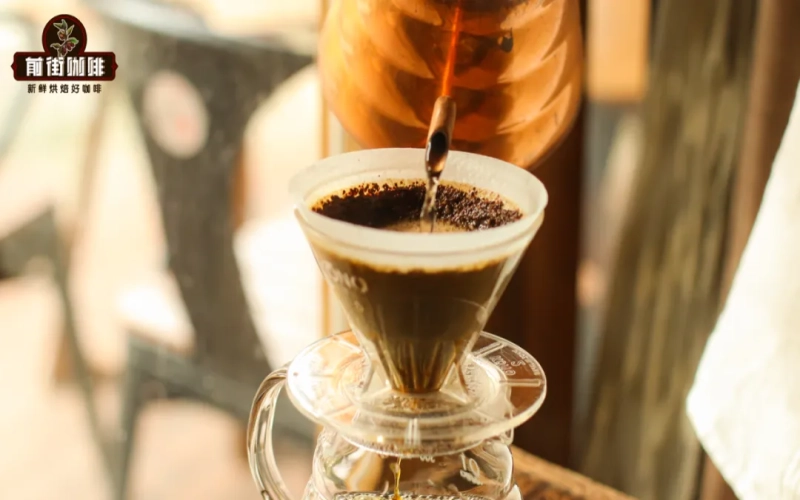
A Complete Analysis of Pour Timing in Pour-Over Coffee: Should You Pour After the Previous Stream Ends or Before It Runs Dry?
When using a multi-pour technique for pour-over coffee, should the next pour of hot water be added before the previous pour has finished draining, or should you wait until it has completely drained? Different bloggers each have their own opinion, and in Front Street Coffee's sharing, the two methods even appear alternately, leaving many enthusiasts completely confused. In fact, the answer is not complicated—the choice of pouring timing directly affects the extraction yield, and the principle behind it is nothing more than two variables: contact time and liquid concentration. Through a set of comparative brewing experiments, Front Street Coffee used four pots of coffee with identical parameters, changing only the timing of the third pour, to measure the specific differences in extraction yield, and provided selection suggestions for different scenarios. After reading this article, you will understand when to pour in advance and when to patiently wait for the previous pour to finish draining, so you can control the flavor of pour-over coffee more precisely. [more…]
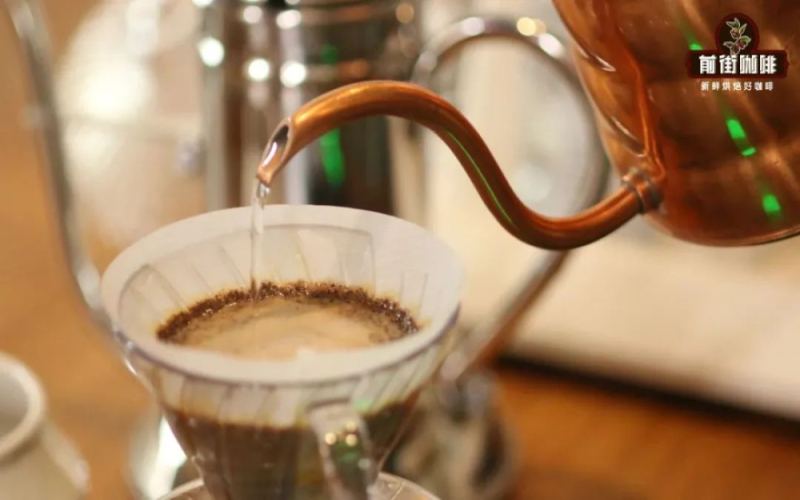
Analysis of the Differences Between One-Pour and Three-Pour Hand Brewing: How Pouring Technique Affects Coffee Flavor and Extraction
There are many ways to pour water when making pour-over coffee, and among them the one-pour method and the three-stage method are two common yet strikingly different techniques. The one-pour method originates from Japanese swordsmanship; it looks simple to perform, but places extremely high demands on water-flow control. The three-stage method, by contrast, extends the extraction time through staged pouring, enhancing the layers of flavor. This article uses a comparative experiment at Front Street Coffee, using the same washed Yirgacheffe beans, brewed with the one-pour method and the three-stage method respectively, to analyze the differences between the two in the shape of the coffee bed, flavor performance, and extraction time, and to explore why the three-stage method is more favored by baristas. Whether you are a beginner or an advanced player, understanding the core points of these techniques can help you flexibly choose according to the beans and parameters, and brew a more satisfying cup of coffee. [more…]